SME IPO 2.0: What SEBI's 2026 framework changes mean for emerging issuers
A practitioner's breakdown of the new SEBI norms on minimum issue size, promoter lock-in and disclosure standards — and how they reshape the SME listing playbook.
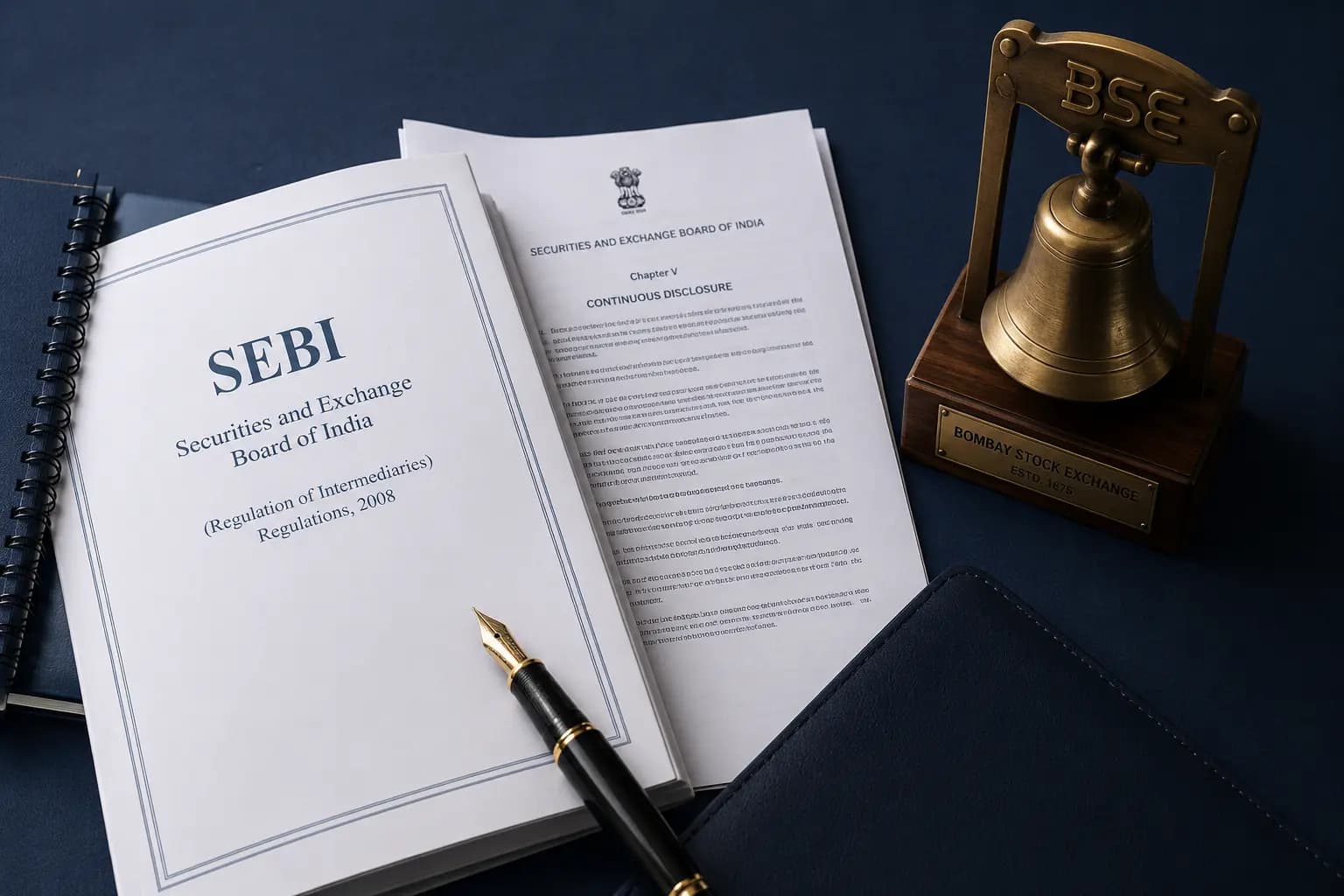
For nearly a decade, the SME platforms on NSE Emerge and BSE SME ran on a regulatory chassis built for a much smaller, much younger market. That chassis is now being replaced. SEBI's 2026 framework — informally already being called "SME IPO 2.0" inside merchant banking circles — tightens three things at once: how big an issue has to be to qualify, how long promoters must stay locked in, and how much issuers must disclose before they ring the bell.
None of this is cosmetic. Each change moves the SME segment a few degrees closer to mainboard rigor, and each one changes the conversation we have with a founder in the first readiness meeting.
1. Minimum issue size, recalibrated
The revised framework raises the floor on minimum issue size and ties it more explicitly to post-issue paid-up capital, closing a gap that let some issuers structure unusually small public floats. In practice, this filters out the marginal candidates — companies that were SME-eligible on paper but never had the float depth to support healthy secondary trading.
2. Promoter lock-in, extended and layered
Lock-in on minimum promoter contribution now extends further, and the framework introduces a layered release schedule rather than a single cliff date. For promoters who were planning partial monetisation shortly after listing, this is the change that most directly affects deal economics — and it needs to be modelled into the capital structure conversation well before the DRHP is drafted, not after.
The lock-in change doesn't just delay liquidity for promoters — it forces a more disciplined conversation about why the company is listing in the first place, and who it's really for.
CA Ashish Jain, Founder
3. Disclosure standards converge toward mainboard
Related-party transaction disclosures, risk-factor specificity, and the granularity expected in the management discussion and analysis section have all been brought closer to mainboard expectations. SME issuers can no longer treat their offer documents as a lighter-touch version of a Red Herring Prospectus — the bar for what counts as adequate disclosure has moved.
- Related-party transactions now require contemporaneous board approval evidence, not retrospective ratification
- Risk factors must be issuer-specific, with quantified exposure where reasonably determinable
- Promoter group financials require a consolidated view, including step-down entities
- Use-of-proceeds statements need milestone-linked disclosure, not broad category allocations
What this means for issuers preparing now
Companies that were planning to file in the next two to three quarters should treat this as a structural reset, not a documentation update. Capital structure, ESOP design, and related-party arrangements that were perfectly compliant under the old framework may need restructuring to clear the new bar comfortably — and restructuring takes time that a filing timeline rarely has to spare.
Our recommendation to founders right now is consistent: run the readiness diagnostic against the 2026 framework explicitly, not against the framework you last checked a year ago. The gap between the two is exactly where most avoidable delays will come from this cycle.